Close Menu

© 2026 Dr. Paul Lohmann GmbH & Co. KGaA
Our role as manufacturer
We do not sell ready-to-use fertilizers or ready-to-use plant nutrition products. Lohtragon® products are high-purity mineral salts exclusively as chemical raw materials for industrial customers. Our portfolio is developed for formulators and blenders who create their own end products. Explore our product finder to access specifications, grades, and packaging options across our portfolio!

| Product | Appearance | Key formulation benefit |
| O43 Calcium Nitrate | crystals | Provides calcium and nitrogen |
| O59 Zinc Sulfate | powder | Provides sulfur and zinc |
| O41 Magnesium Nitrate | crystals | Provides magnesium and nitrogen |
| O79 Zinc Pyrophosphate | powder | Provides zinc and phosphorus |
| K87 Aluminum Nitrate | solution | Provides aluminum and nitrogen |
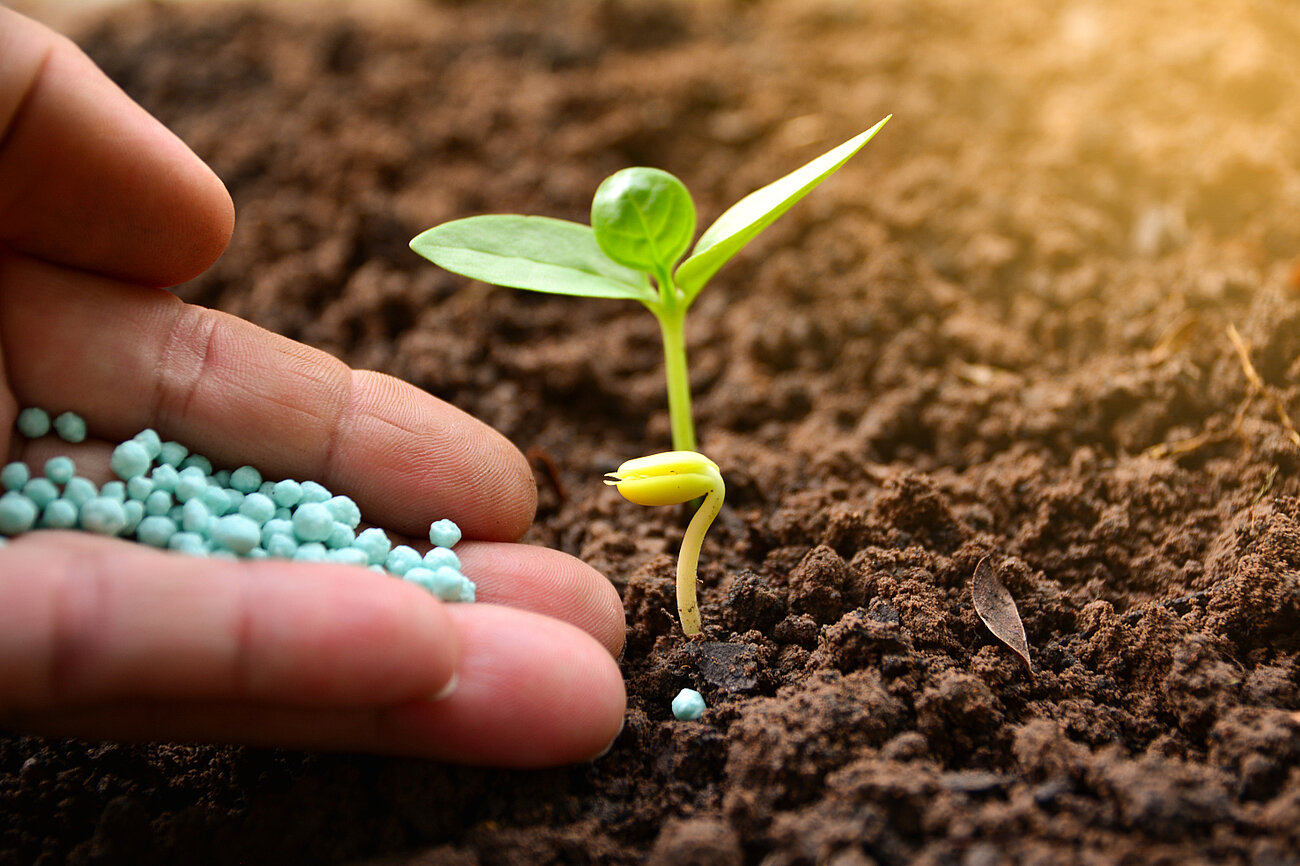
Case Study Magnesium Nitrate – Efficient Dual Nutrient Source for Formulators
Magnesium Nitrate, our Lohtragon® O41 as solid and Lohtragon® O51 as solution, provides two essential nutrients in a single raw material. Magnesium is central to chlorophyll formation and enzyme activation, while Nitrate Nitrogen is the most readily available form of nitrogen for plants. By combining both in one salt, our Magnesium Nitrate is a highly efficient ingredient for fertilizer formulations.
Our role as manufacturer
We do not sell ready-to-use fertilizers or plant nutrition products. Under the Lohtragon® brand, we manufacture high-purity mineral salts exclusively as chemical raw materials for industrial customers. Our portfolio is developed for formulators and blenders who create their own end products. Explore our product finder to access detailed specifications, grades, and packaging options across our portfolio!
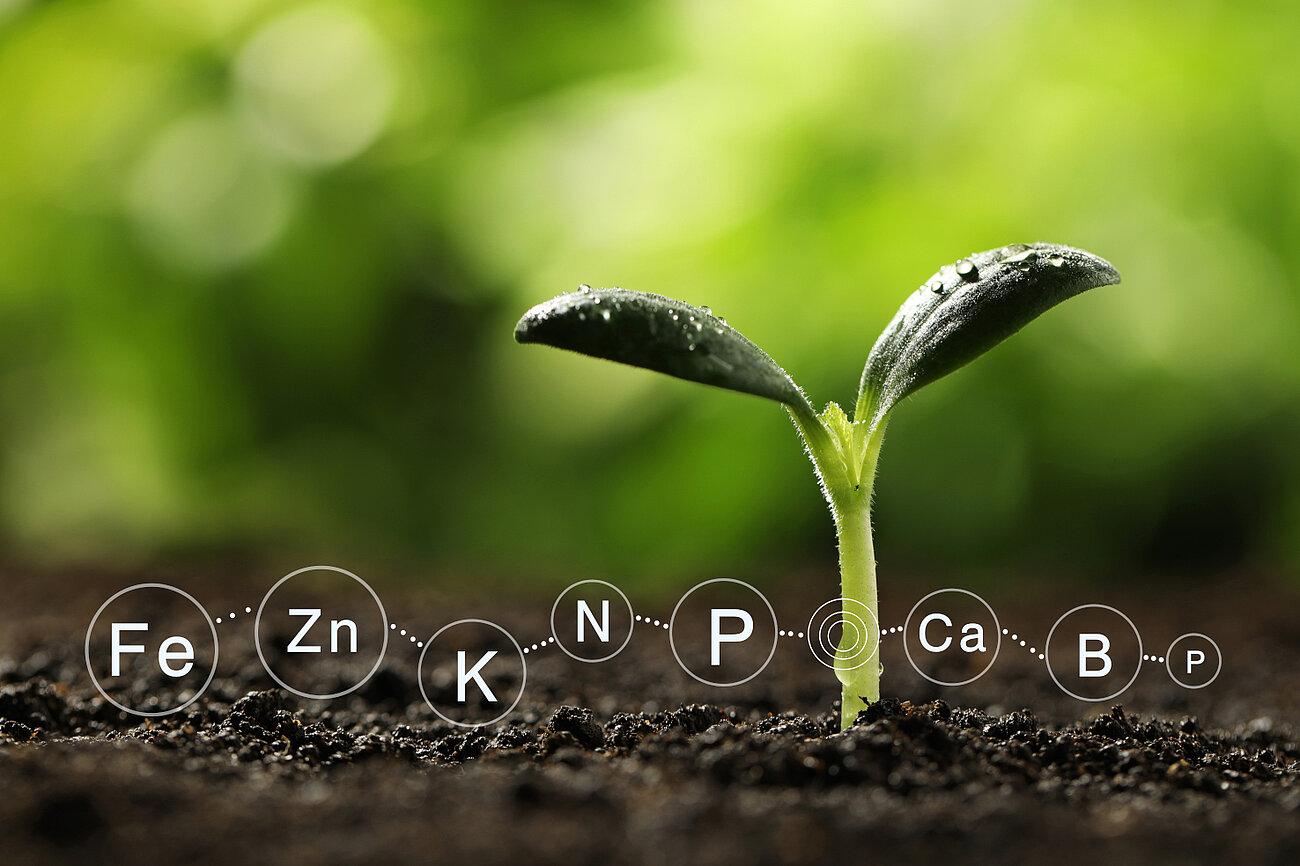
Case Study Zinc Sulfate – Synergistic Delivery of Zinc & Sulfur
Zinc Sulfate, produced by us in different hydrate forms under Lohtragon® O09, Lohtragon® O59, and Lohtragon® O60, combines two essential nutrients in one raw material: zinc, a trace element central to enzyme activation, hormone regulation, and protein synthesis, and sulfur, a macronutrient required for amino acids and metabolic pathways. As a raw material for fertilizer formulations, Zinc Sulfate must dissolve completely, remain stable in solution, and dose consistently. High purity and reliable solubility are therefore critical for avoiding precipitation, ensuring clear stock solutions, and supporting precise formulation work.
The understanding of biostimulants has changed significantly over the past decades. In their early use, the term was applied almost exclusively to organic extracts such as seaweed products or microbial inoculants, both of which were seen as “natural boosters” outside the traditional categories of fertilizers or pesticides. Over time, the concept expanded to include a much wider variety of inputs that influence plant growth in subtle but measurable ways. Today, biostimulants are understood as substances or microorganisms that stimulate plant processes independently of their nutrient content. Their aim is not to feed the plant directly, but to enhance nutrient efficiency, improve tolerance to environmental stress, or support specific quality traits.
This broadened definition now encompasses a diverse portfolio of inputs: organic compounds such as humic and fulvic acids, amino acids, or protein hydrolysates; microbial products including mycorrhizal fungi and plant growth-promoting bacteria; and, more rarely, inorganic mineral salts. The latter form a small but noteworthy group of “non-organic” biostimulants, among them silicon, selenium, cobalt, and aluminium. These examples show how the category has moved from a niche defined by organic extracts into a broader, science-based concept that integrates natural and synthetic substances alike.
Case Study Aluminium Sulfate – A Mineral Raw Material with Potential Biostimulant Relevance
Aluminium compounds have been investigated for their potential influence on plant processes under specific growing conditions. While aluminium is not considered a nutrient in the conventional sense, research indicates that low concentrations may interact with plant physiology and plant responses, particularly under certain environmental conditions such as acidic soils.
Under the Lohtragon® brand, we manufacture Lohtragon® K20, based on Aluminium Sulfate as a high-purity raw material available in crystalline and water-soluble forms. Our products are designed for formulators, blenders, and distributors who develop their own agricultural solutions in line with applicable regulatory frameworks.
Here is where Lohtragon® K20 Aluminium Sulfate brings tangible value:
Nitrogen is crucial for plant growth as it forms the backbone of amino acids, proteins, nucleic acids, and chlorophyll. It promotes vegetative development and deep green foliage. Deficiency symptoms include pale or yellowing older leaves (chlorosis), stunted growth, and delayed maturity due to its mobile nature within plants. At Lohtragon®, we supply nitrogen salts as high-purity raw materials for formulators to create their own fertilizer solutions.
Phosphorus supports energy transfer via ATP, root formation, and flower and fruit development. It is integral to DNA and RNA structures. A deficiency typically results in dark green or purplish foliage, particularly in older leaves, along with poor root growth and delayed flowering. Under the Lohtragon® brand, we manufacture phosphorous salts as high-purity raw materials for formulators to create their own fertilizer solutions.
Potassium regulates water use, enzyme activation, and enhances disease resistance. It also improves fruit quality and strengthens stems. Deficiency leads to chlorosis along leaf margins (leaf scorch), weak stalks, and poor drought tolerance due to disrupted water regulation. Under the Lohtragon® brand, we manufacture Potassium salts as high-purity raw materials for formulators to create their own fertilizer solutions.
Calcium stabilizes cell walls and membranes, and supports root and shoot tip growth. It is essential for signaling pathways in cells. Deficiency symptoms include tip burn in young leaves, blossom-end rot in fruits like tomatoes, and poor root development since it is immobile in plants. Under the Lohtragon® brand, we manufacture Calcium salts as high-purity raw materials for formulators to create their own fertilizer solutions.
Sulfur is necessary for synthesizing certain amino acids (cysteine, methionine) and vitamins, and it enhances enzyme function. Deficiency appears as yellowing of younger leaves and can be mistaken for nitrogen deficiency, though it affects newer growth due to sulfur’s low mobility. Under the Lohtragon® brand, we manufacture Sulfur salts as high-purity raw materials for formulators to create their own fertilizer solutions.
Iron is essential for chlorophyll synthesis and is involved in redox reactions during photosynthesis and respiration. Deficiency results in interveinal chlorosis on young leaves due to its immobility, and is common in high-pH soils. Under the Lohtragon® brand, we manufacture Iron salts as high-purity raw materials for formulators to create their own fertilizer solutions.
Manganese plays a role in photosynthetic oxygen evolution and nitrogen metabolism. Deficiency causes interveinal chlorosis, speckling, and sometimes necrotic spots on young leaves. It is often seen in calcareous or over-limed soils. Under the Lohtragon® brand, we manufacture Manganese salts as high-purity raw materials for formulators to create their own fertilizer solutions.
Zinc is key for enzyme function, hormone production (especially auxins), and protein synthesis. Deficiency leads to stunted growth, small and distorted leaves, and a condition known as “little leaf.” It also causes interveinal chlorosis in younger leaves. Under the Lohtragon® brand, we manufacture Zinc salts as high-purity raw materials for formulators to create their own fertilizer solutions.
Copper is involved in photosynthesis, respiration, and lignin synthesis. Its deficiency causes young leaves to wilt and turn bluish-green, and can result in dieback of stems and poor grain or fruit production due to inadequate lignification. Under the Lohtragon® brand, we manufacture Copper salts as high-purity raw materials for formulators to create their own fertilizer solutions.
Molybdenum is critical for nitrogen fixation and nitrate reduction. A deficiency manifests as pale leaves, marginal necrosis, and symptoms similar to nitrogen deficiency, particularly in legumes which rely on nitrogen-fixing bacteria Under the Lohtragon® brand, we manufacture Molybdenum salts as high-purity raw materials for formulators to create their own fertilizer solutions.
Chlorine aids in osmosis, ionic balance, and photosynthetic reactions. Though rare, its deficiency results in wilting, chlorosis, and reduced root growth. However, excess chloride can be toxic, especially in sensitive crops. Under the Lohtragon® brand, we manufacture Chlorine salts as high-purity raw materials for formulators to create their own fertilizer solutions.
As the central atom in chlorophyll, magnesium is vital for photosynthesis. It also activates enzymes for carbohydrate metabolism. Deficiency causes interveinal chlorosis, especially in older leaves, and can lead to leaf curling and premature leaf drop. Under the Lohtragon® brand, we manufacture Magnesium salts as high-purity raw materials for formulators to create their own fertilizer solutions.

Calcium
Iron
Magnesium
Zinc
Ammonium

Sample Request

Product Finder

Contact